

Quick answer
Great barrier reef scenic flights reviews consistently rank fixed-wing operators departing Cairns between 08:00 and 14:00 as offering superior value, with 60-minute routes covering outer reef sections, ribbon reefs and coral cays delivering the widest coverage. Helicopter tours score higher for low-altitude photography but cover smaller areas. Passenger ratings prioritize morning departures for glare reduction, experienced pilot commentary, and transparent fuel-surcharge policies over promotional add-ons.
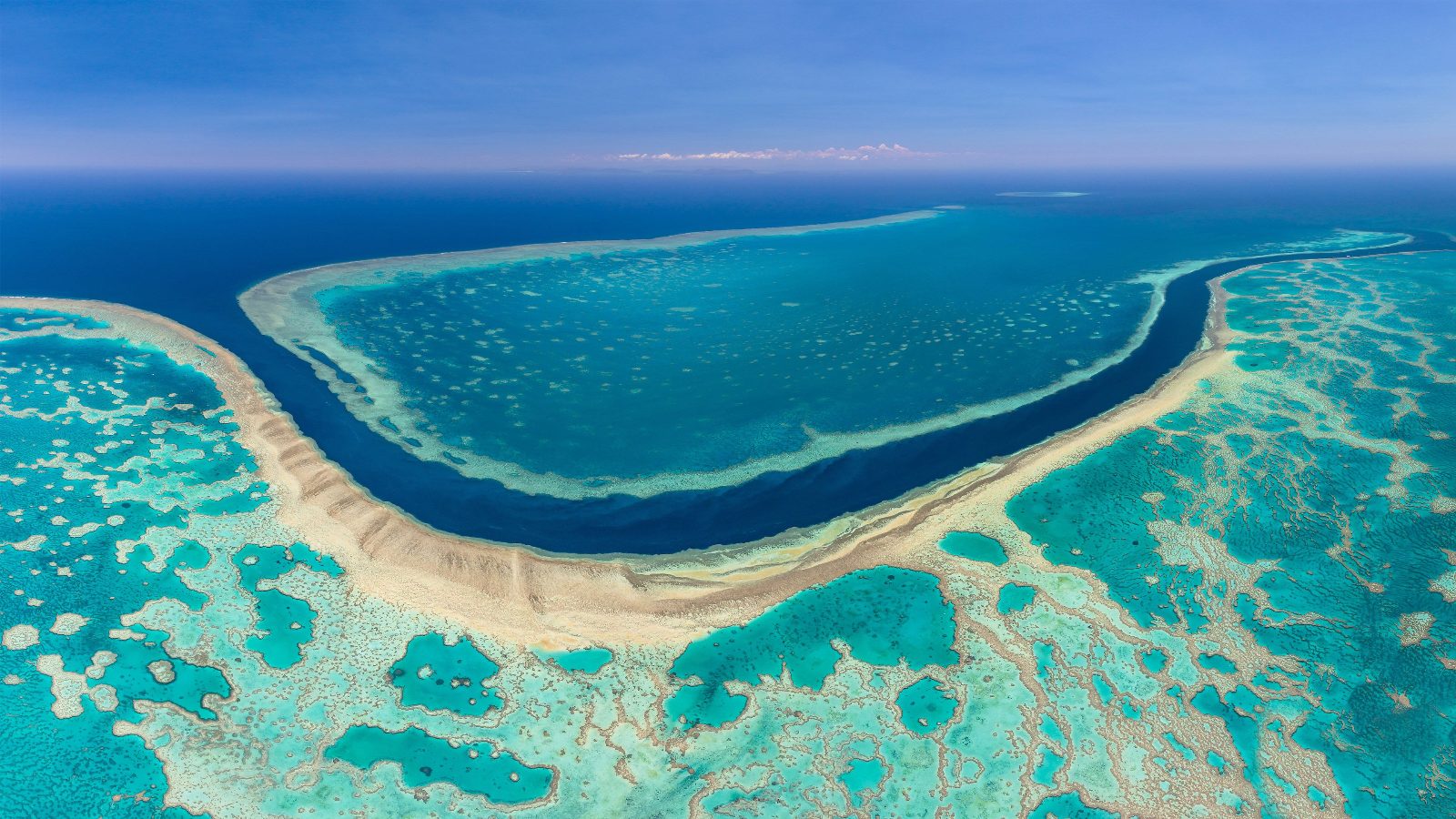
Operators based at Cairns Aeroglen field run between twelve and eighteen daily departures, but passenger satisfaction data reveals a sharp divide between morning and late-afternoon experiences. Flight crews report that reef visibility peaks in the four-hour window following 08:00, when solar angle minimizes surface glare and water clarity reaches its daily maximum. Afternoon slots after 15:00 frequently attract budget-conscious bookings, yet reviews from those time blocks cite washed-out photography, hazy horizons and reduced coral definition as recurring disappointments. Fixed-wing circuits typically span 60 to 75 minutes and trace routes that include Upolu Cay, Green Island, Arlington Reef and sections of the ribbon reef complex north of Cairns. Passenger feedback in great barrier reef scenic flights reviews highlights route variety as a primary satisfaction driver—flights that overfly multiple reef systems and at least one vegetated cay score significantly higher than single-site circuits. Helicopter operators counter with lower cruising altitudes, larger window area and the capacity for hover segments above specific formations, but route length rarely exceeds 30 minutes and coverage shrinks proportionally. Reviewers who prioritize photography over breadth consistently favor helicopter platforms; those seeking geographic comprehension prefer fixed-wing. Pilot commentary quality separates top-rated operators from mid-tier competitors. Passengers note that former marine biologists and multi-year reef pilots provide real-time identification of coral bommies, turtle aggregation zones and seasonal manta-ray corridors, transforming the flight into an interpretive experience rather than passive sightseeing. Script-based narration, by contrast, draws criticism for generic reef facts disconnected from the visible seascape below. The distinction becomes measurable in repeat-booking rates and multi-passenger group scores. Weather holds and operational delays trigger the majority of negative reviews. Operators adhering to published all-weather guarantees—offering full refunds or next-day rebooking without penalty when wind or cloud conditions exceed safe visual-flight thresholds—retain higher ratings than those imposing rebooking fees or credit-note restrictions. Transparency around fuel surcharges, passenger weight distribution and wet-season schedule compression also correlates with positive sentiment. Passengers consistently penalize operators who withhold surcharge totals until check-in or who bundle mandatory reef-levy fees into advertised base rates without disclosure. Value alignment varies by traveler profile. Multi-generational family groups in verified great barrier reef scenic flights reviews favor longer fixed-wing routes that distribute per-person cost across broader coverage and accommodate mixed mobility levels without harness or weight restrictions. Solo travelers and photography-focused visitors skew toward helicopter platforms despite higher per-minute pricing, citing maneuverability and unobstructed sightlines as worth the premium. Couples traveling off-peak report best satisfaction-to-cost ratios on midweek morning fixed-wing departures, when seat availability allows for window-side requests and operators occasionally extend flight time to showcase unexpected wildlife events.
“Flight crews report that reef visibility peaks in the four-hour window following 08:00, when solar angle minimizes surface glare and water clarity reaches its daily maximum.”
Optimal Timing for Great Barrier Reef Scenic Flights Reviews
The best arrival window for scenic flights is 08:00–14:00, as afternoon sunlight provides optimal reef visibility and reduced glare for photography. Planning your flight during this timeframe allows for clearer observation of the coral structures and marine life.
June to August
ModerateDry season, 18°C–26°C; clear skies.
Cooler temperatures and low rainfall minimize cloud cover.
September to November
LowWarm, 22°C–30°C; calm winds.
These months offer stable air conditions for smoother flights.
December to March
HighHumid, 24°C–32°C; potential storms.
Tropical summer brings higher humidity and occasional seasonal rain.
Verdict: The optimal period is between June and November, arriving between 08:00 and 14:00 to utilize the best light for reef visibility.
Operating Hours for Great Barrier Reef Scenic Flights
Great Barrier Reef Scenic Flights operates daily throughout the week. The office remains open to assist with inquiries and flight coordination during these hours.
| Monday | 08:00–19:00 | |
|---|---|---|
| Tuesday | 08:00–19:00 | |
| Wednesday | 08:00–19:00 | |
| Thursday | 08:00–19:00 | |
| Friday | 08:00–19:00 | |
| Saturday | 08:00–19:00 | |
| Sunday | 08:00–19:00 |
Understanding Costs for Great Barrier Reef Scenic Flights Reviews
The facility itself requires no admission fee for entry. Costs for scenic flights are determined entirely by the individual tour operators providing the aerial services.
While facility access is 0 AUD, total costs fluctuate based on the specific flight duration and operator chosen.
Arrival Guide for Great Barrier Reef Scenic Flights Reviews
The scenic flight facility is located at 97 Tom McDonald Drive, Aeroglen QLD 4870, Australia. The most direct approach is by car via the Captain Cook Highway north of Cairns city center.
Take the Captain Cook Highway (Route 44) and turn onto Tom McDonald Drive
Direct service from Cairns CBD or Cairns Airport
Translink bus routes to the Aeroglen area followed by a short walk
Preparation Checklist for Great Barrier Reef Scenic Flights Reviews
Complete these steps before your flight to ensure a smooth departure and optimal photography conditions.
-
Confirm your booking and operator details — Reconfirm departure time and meeting point with your chosen operator at least 24 hours prior.
-
Bring photo identification — Government-issued ID is required for flight check-in and passenger manifests.
-
Charge camera batteries and clear storage — Reef visibility peaks in afternoon light, demanding continuous shooting capacity.
-
Pack polarized sunglasses and lens filters — Polarization cuts water glare and reveals submerged coral formations through the aircraft window.
-
Wear layered clothing for cabin temperature — Aircraft cabins can be cool at altitude despite warm ground conditions.
-
Arrive 30 minutes before scheduled departure — Early check-in allows time for safety briefings and weight distribution calculations.
-
Check weather forecasts the day before — Operators may reschedule flights in poor visibility or high wind conditions.
Check availability
Common Questions About Great Barrier Reef Scenic Flights Reviews
Everything you need to know about great barrier reef scenic flights reviews