

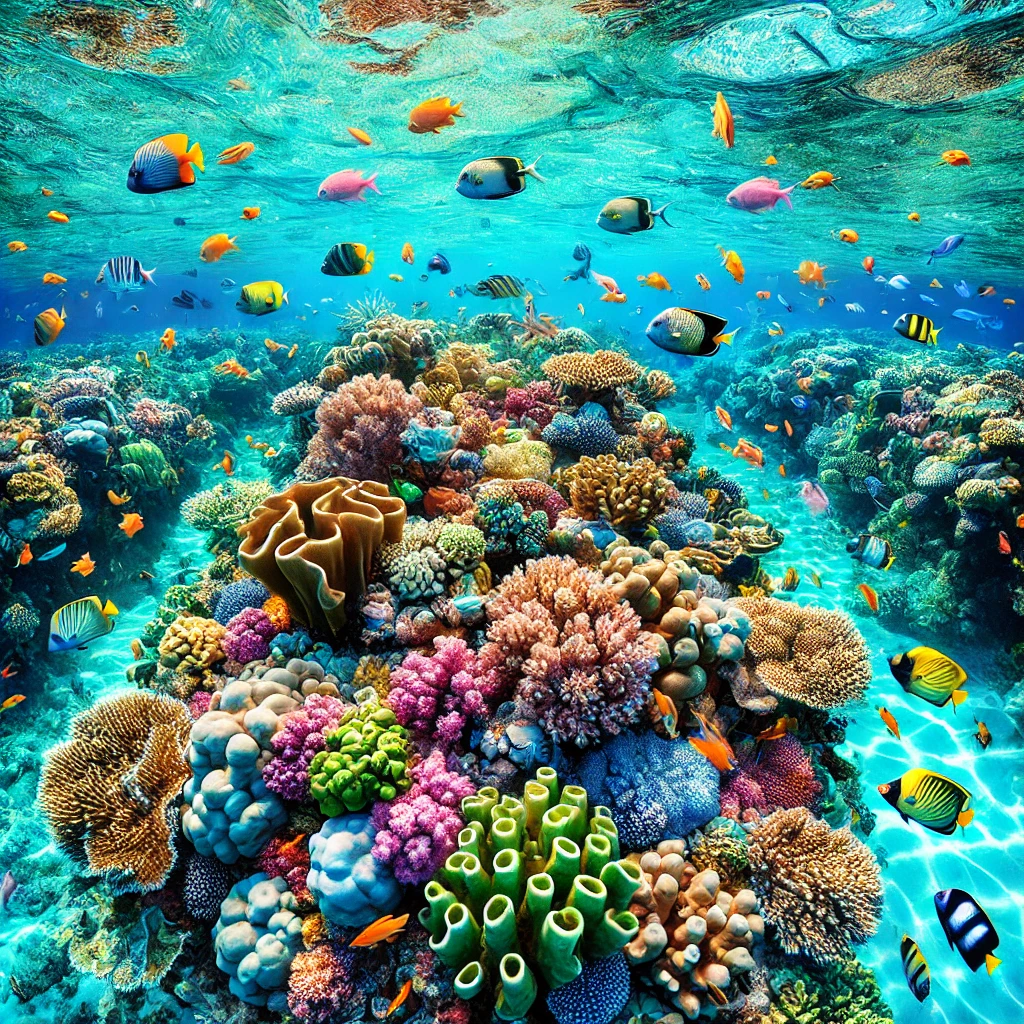
Quick answer
The temperature of the Great Barrier Reef ranges from 23°C (73°F) in the southern winter months of July and August to 29°C (84°F) in the northern summer from December through March. Most of the reef sits between 24°C and 28°C year-round, warm enough for snorkeling in a short wetsuit or rash guard. The northern sections near Cairns and Port Douglas stay warmer in winter, while the southern reefs off the Capricorn-Bunker group cool more noticeably from June to August.
The Coral Sea holds its warmth through every month of the year, but the reef's thermal profile changes as you move from the tropical north to the cooler southern reaches. In the northern sections—accessed from Cairns, Port Douglas, and the Whitsundays—water rarely drops below 24°C even in the depths of winter, and summer peaks can touch 29°C or 30°C in sheltered lagoons. The southern reefs, including Lady Elliot Island and the Capricorn-Bunker group, experience a wider swing, dipping to 21°C or 22°C in August and climbing to 27°C in February. This temperature gradient shapes everything from coral spawning cycles to stinger season. The warmer months from November through May coincide with the presence of box jellyfish and Irukandji in nearshore waters, which is why most reef operators move further offshore during this window. Water visibility improves as the sea warms and plankton blooms settle, typically peaking from June through October. The cooler months also bring humpback whales through the outer reefs, migrating north from Antarctic waters, and manta rays congregate at cleaning stations when the water hovers between 23°C and 25°C. For divers and snorkelers, reef water temperature dictates what thermal protection you'll need. A 3mm shorty wetsuit suits most people in the warmest months, while a full 3mm or 5mm suit is standard from June through September, especially on multi-dive days or deeper dives where thermoclines drop the temperature another two or three degrees. Liveaboard operators stock wetsuits in multiple thicknesses, but if you run cold or plan extended time in the water, bring your own. The temperature of the Great Barrier Reef also influences coral health and color. Prolonged water temperatures above 30°C trigger coral bleaching, a stress response that has affected large sections of the reef during marine heatwaves in recent years. Cooler winter months allow corals to recover, and the reefs that sit in deeper or more current-exposed water tend to show greater resilience. Understanding these thermal rhythms helps you choose not only when to visit but also which section of the reef to explore for the conditions that suit your dive plan and comfort threshold.
“Water rarely drops below 24°C in the tropical north, but southern reefs can cool to 21°C in the winter months.”
Seasonal Variations and the Best Time to Experience the Temperature of the Great Barrier Reef
The period from June to October offers the most comfortable balance of air and water temperatures, providing clear visibility and moderate humidity. Visiting during these months avoids the peak heat and high rainfall of the summer season.
June–August
Moderate24°C–26°C, dry and mild
These months provide cooler, comfortable temperatures with lower humidity levels. Visibility is generally high during this window.
September–November
Moderate26°C–29°C, warming trend
Spring conditions are stable with rising water temperatures. This is a favorable time for those preferring warmer conditions before the wet season.
December–March
High29°C–32°C, humid and wet
This season features the highest temperatures and increased rainfall. Marine visibility can be reduced due to weather patterns and seasonal jellyfish presence.
Weekday mornings
Low—
The best arrival window is 08:00–10:00. Clear morning light and calmer seas before typical afternoon wind increases provide optimal observation conditions.
Verdict: The best time to experience the Great Barrier Reef is between June and October, ideally during weekday mornings between 08:00 and 10:00 to capitalize on clear light and calm waters.
Operating Hours and Temperature of the Great Barrier Reef
The Great Barrier Reef Marine Park is open to the public daily throughout the year. Access remains available around the clock to accommodate various transit and tour schedules.
| Monday | 00:00–23:59 | |
|---|---|---|
| Tuesday | 00:00–23:59 | |
| Wednesday | 00:00–23:59 | |
| Thursday | 00:00–23:59 | |
| Friday | 00:00–23:59 | |
| Saturday | 00:00–23:59 | |
| Sunday | 00:00–23:59 |
Getting to the Great Barrier Reef for Your Visit
The Great Barrier Reef Marine Park, Queensland, Australia, is accessed primarily via coastal hubs such as Cairns, Port Douglas, and Airlie Beach. Most visitors reach the reef by commercial vessel or scenic flight from these mainland departure points.
Departure from Cairns Marlin Marina
Departure from Port Douglas Marina Mirage
Bruce Highway (A1) to coastal regional hubs
Check availability
Frequently asked questions about temperature of the great barrier reef
Everything you need to know about temperature of the great barrier reef