30 min
Great Barrier Reef Scenic Flight from Cairns
- Entry ticket
- Mobile voucher
- Valid same day
- Free cancellation
Great Barrier Reef Scenic Flight and Snorkel — Aerial Passes & Outer Reef Access
Fly over coral ribbons and Heart Reef, descend for live coral snorkeling
Compare fares, pick the fit — all bookings are mobile-voucher and eligible for free cancellation where shown.
30 min
1 hr
1 hr 5 min
| Experience | From | Duration | Rating | Transfers | Pickup | Free cancel. | Price | |
|---|---|---|---|---|---|---|---|---|
|
Standard Entry
Most popular
Great Barrier Reef Scenic Flight from Cairns
|
Cairns | 30 min | ★ 4.9 | — | — | ✓ | $140 | Book → |
|
Standard Entry
Whitsundays & Heart Reef Scenic Flight
|
— | 1 hr | ★ 4.9 | ✓ | ✓ | ✓ | €220 | Book → |
|
Standard Entry
Whitsunday Islands & Heart Reef Scenic Flight
|
— | 1 hr 5 min | ★ 4.9 | — | — | ✓ | $246 | Book → |
Worth it for convenience seekers and time-limited visitors
A great barrier reef scenic flight and snorkel combo delivers aerial perspectives of the coral formations and reef systems followed by in-water immersion, condensing two separate experiences into one itinerary. Booking separately typically costs less but requires coordinating transport, timing windows, and weather contingencies across multiple operators. The Great Barrier Reef Snorkel & Scenic Flight packages handle logistics end-to-end, eliminating the risk of missing connections or losing half a day to scheduling gaps. Value tilts positive for travelers with tight schedules who prioritize seamless execution over marginal cost savings. Independent bookings suit budget-focused visitors willing to manage coordination and accept potential delays. The aerial component provides context—spotting Heart Reef and reef patterns impossible to appreciate from water level—while snorkeling delivers close encounters with marine life along the outer reef platforms. Combined tours justify their premium through time efficiency and weather backup provisions most standalone operators don't offer.
Bottom line: The combo pays off when your itinerary can't absorb the coordination overhead of booking aerial tours and snorkel trips independently.
The combined experience offers a deeper connection to the marine ecosystem, whereas the flight-only option provides superior geographical scale for photography enthusiasts seeking great barrier reef scenic flight and snorkel tours.
|
Top pick Flight & Snorkel |
Flight Only | |
|---|---|---|
| Immersion level | Full aquatic contact | Visual observation only |
| Perspectives gained | Underwater and aerial | Aerial wide-angle |
| Total duration | 4–8 hours | 1–2 hours |
| Interaction with marine life | Close proximity to coral | None |
| Physical exertion level | Moderate swimming required | None |
| See tickets & prices |
Verdict: Choose the great barrier reef scenic flight and snorkel tickets if you desire active engagement with the coral polyps, or select the flight-only path for a time-efficient way to appreciate the sheer size of the Great Barrier Reef Marine Park.
Hand-picked experiences loved by thousands of travelers
1 hour 10 minutes
Free Cancellation
Soar above turquoise waters, pristine beaches, and vibrant coral reefs on this unforgettable aerial tour.
6 hours
Free Cancellation
Explore coral gardens underwater, then witness the reef's brilliance from the sky on this dual adventure
1 day
Free Cancellation
Combine aerial views and ocean thrills: scenic flight over Heart Reef, high-speed boat ride, snorkeling, and Whitehaven Beach in one epic day
8.5 hours
Free Cancellation
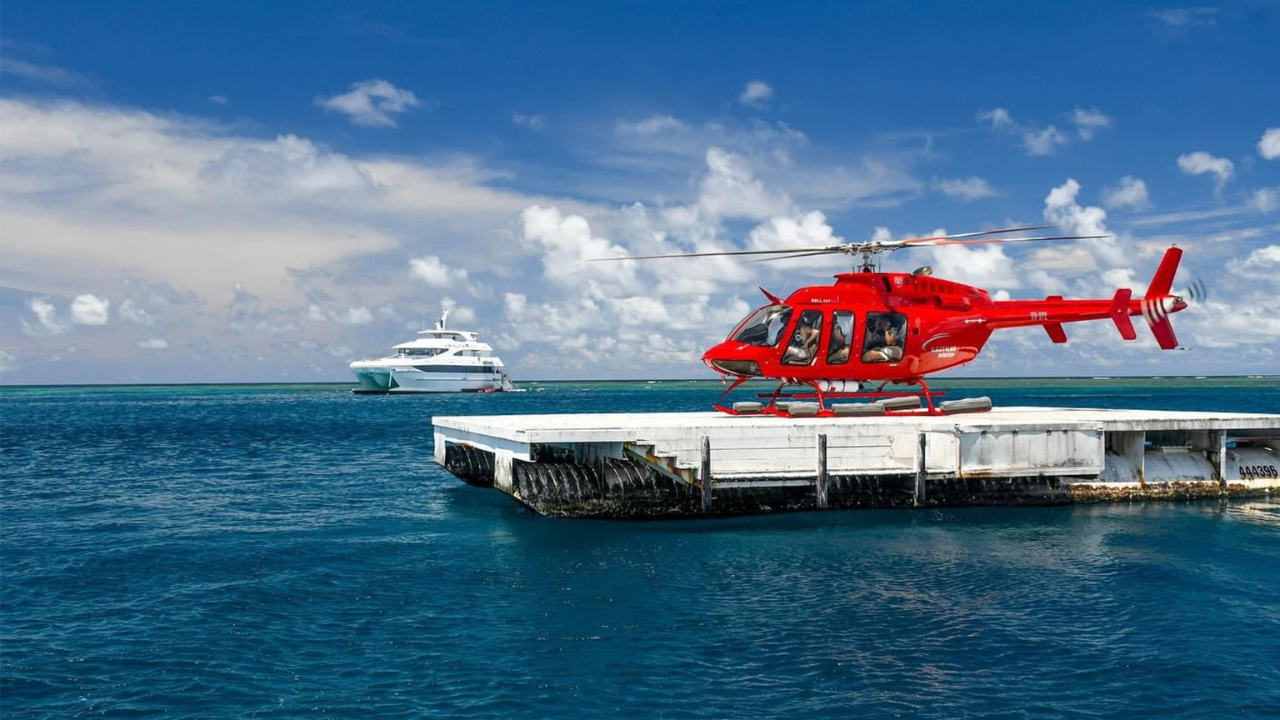
Explore two pristine outer reef sites aboard a luxury vessel, then soar above the coral from a helicopter
9 hours
Free Cancellation
Full-day sailing adventure exploring two pristine outer reef sites with snorkeling and gourmet lunch
5 hours
Free Cancellation
Intimate half-day snorkel adventure with marine biologists, small groups, and two hours exploring pristine reef sites
8 hours
Free Cancellation
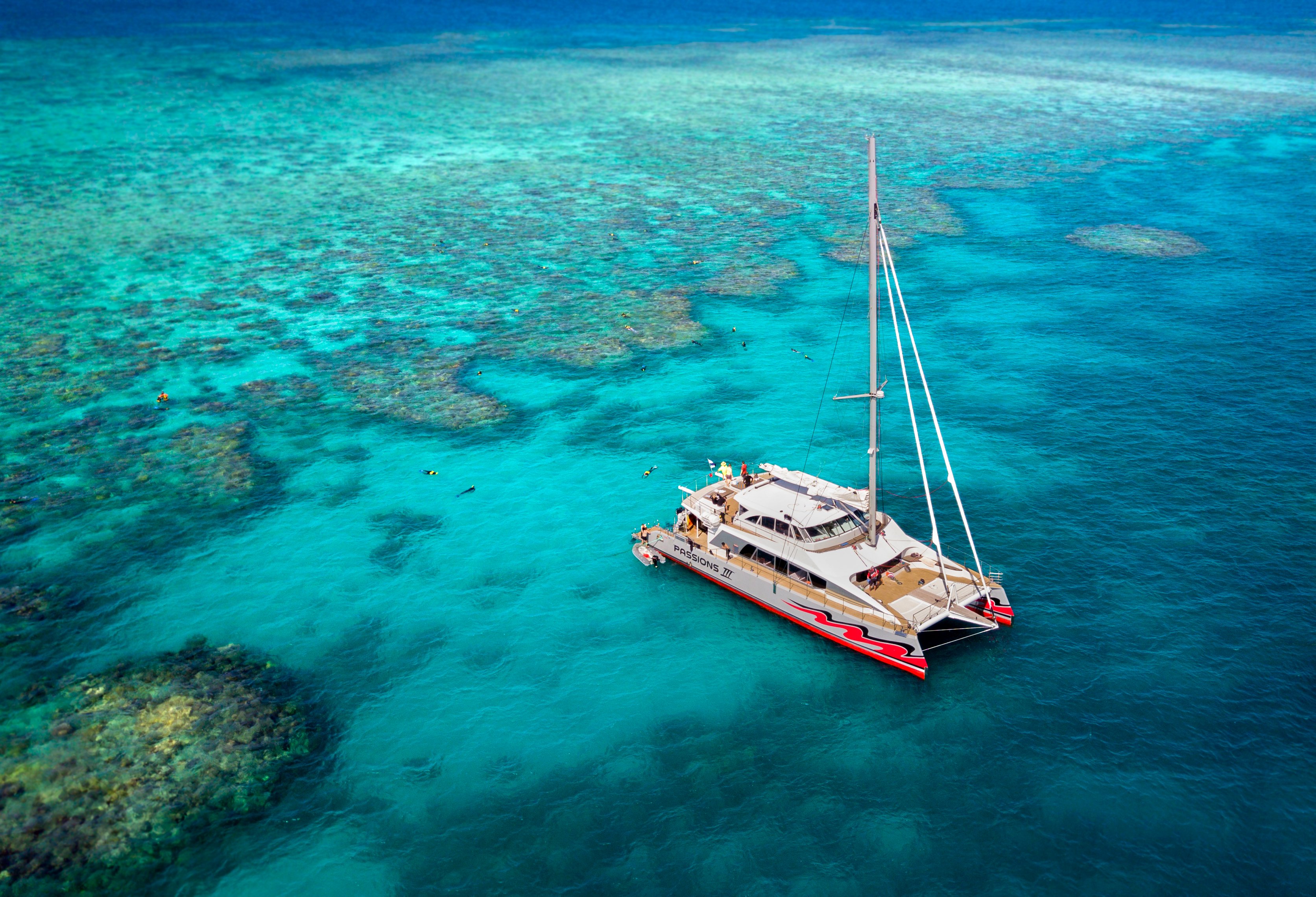
Luxury catamaran adventure to three pristine outer reef locations with snorkeling, diving, and tropical lunch
8 hours 30 minutes
Free Cancellation
Sail to pristine outer reef sites aboard a luxury vessel with snorkeling, diving, and gourmet BBQ included
Located on the outer edge of the continental shelf, this ribbon reef offers some of the most pristine coral visibility in the park.
Witness the sheer scale of the 2,300km reef system from the air, providing a perspective impossible to gain from the surface.
This platform acts as a stable base for non-swimmers and snorkelers alike, featuring underwater observatories and glass-bottom boats.
A popular spot for snorkelers known for its high concentration of giant clams and active reef fish populations near the surface.
These narrow, elongated reefs are famous for being the only place in the world to encounter dwarf minke whale aggregations.
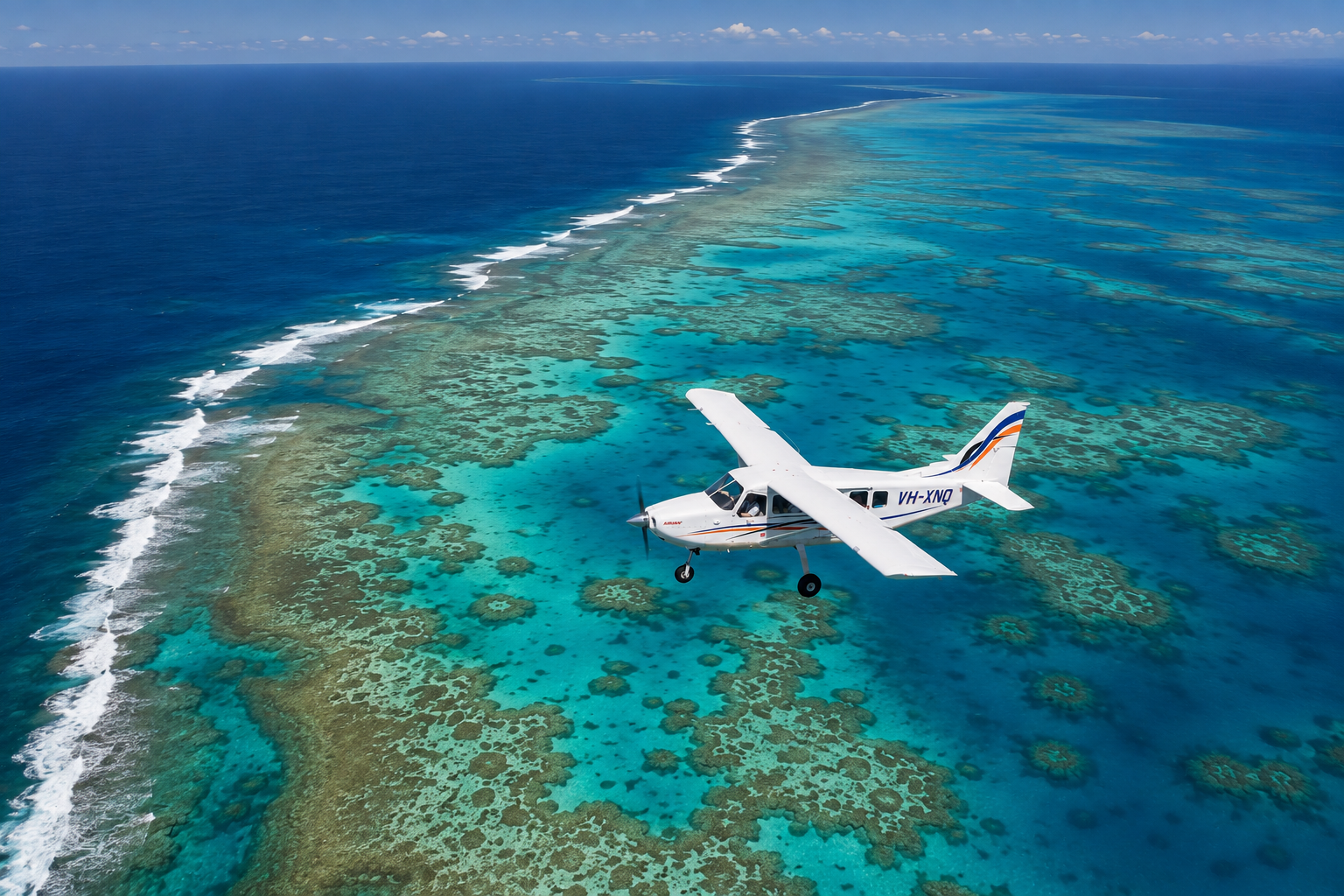
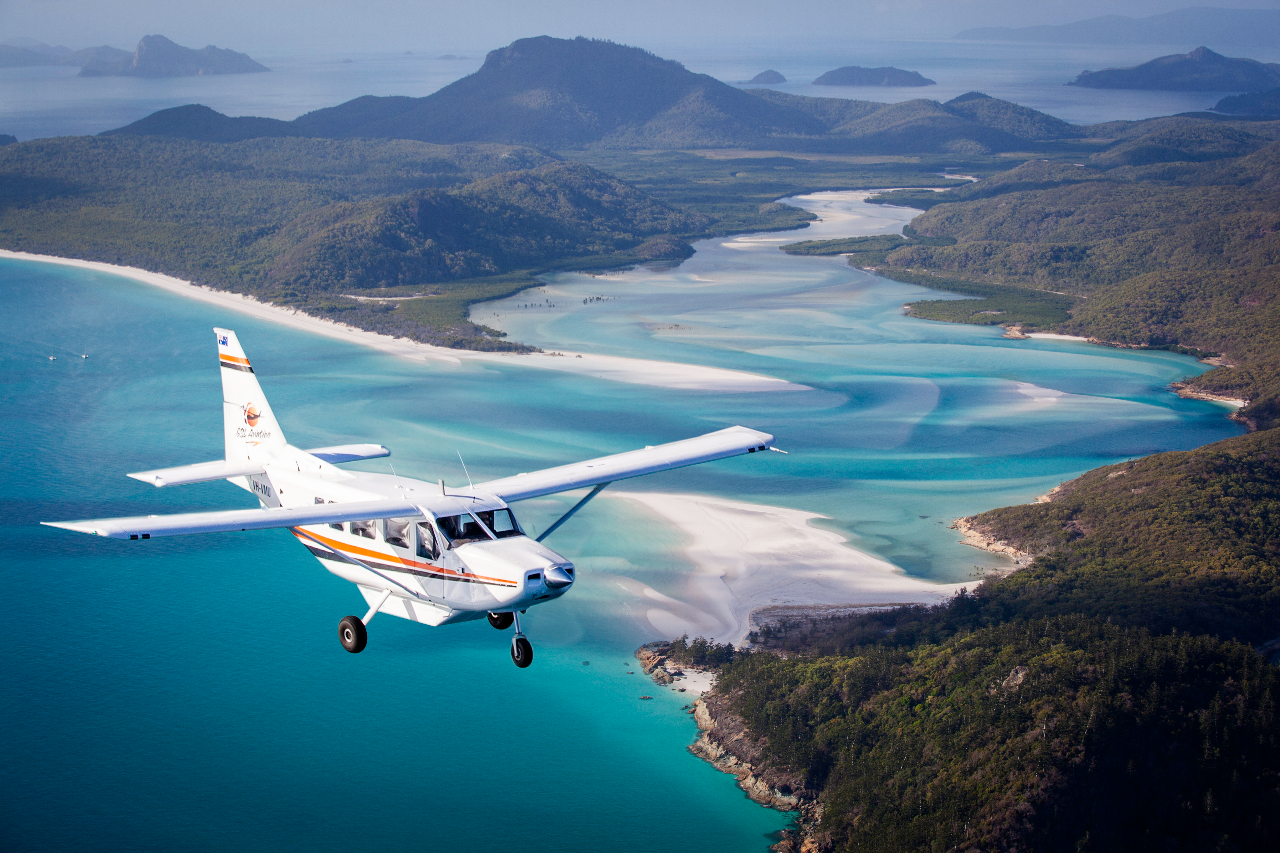
You lift off from Cairns or the Whitsunday Coast in a six-seat Cessna or twin-engine aircraft, climbing to 1,500 feet as the coastline recedes. Within ten minutes, the first coral heads appear — pale blue halos against deeper navy channels.
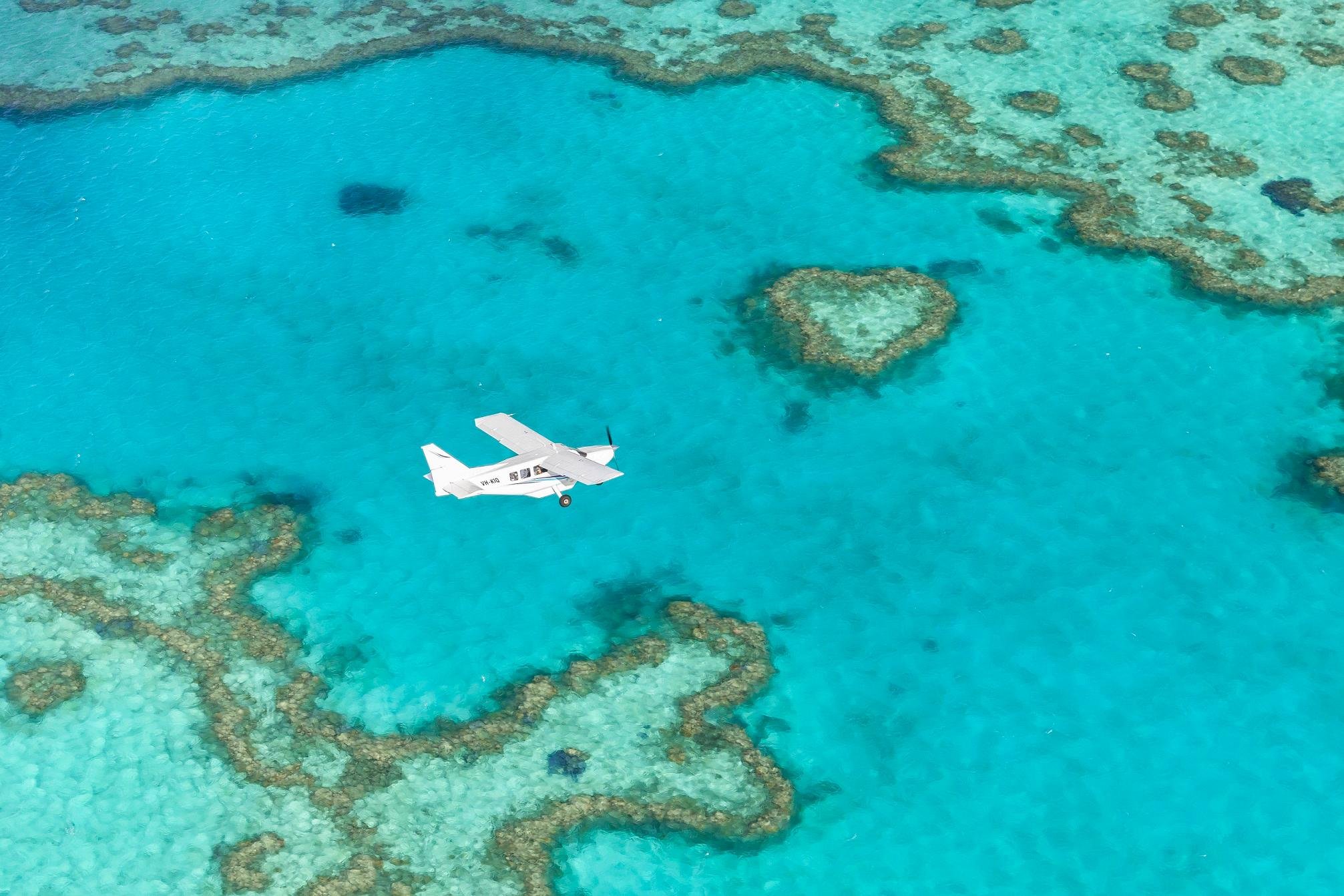
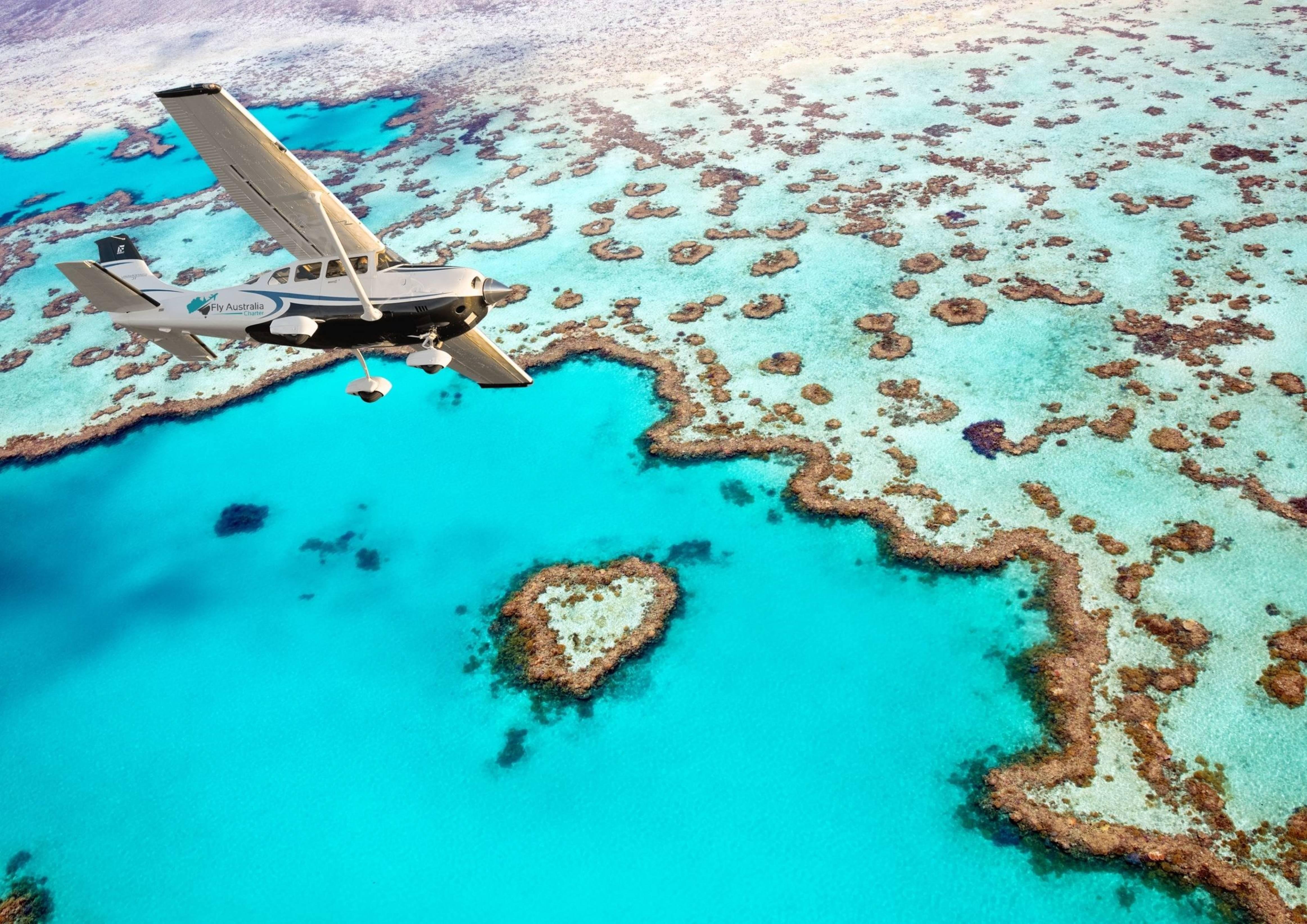
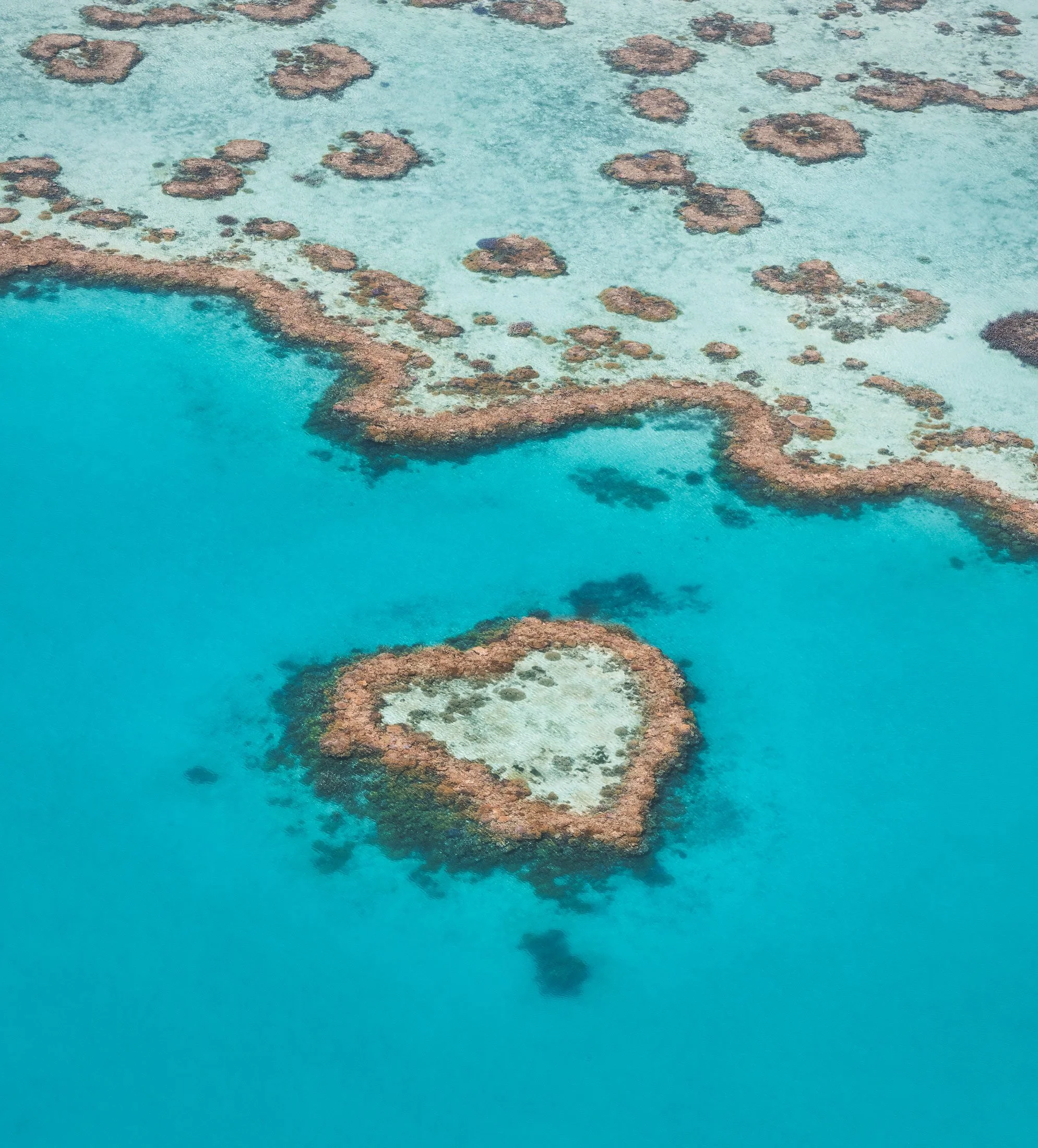
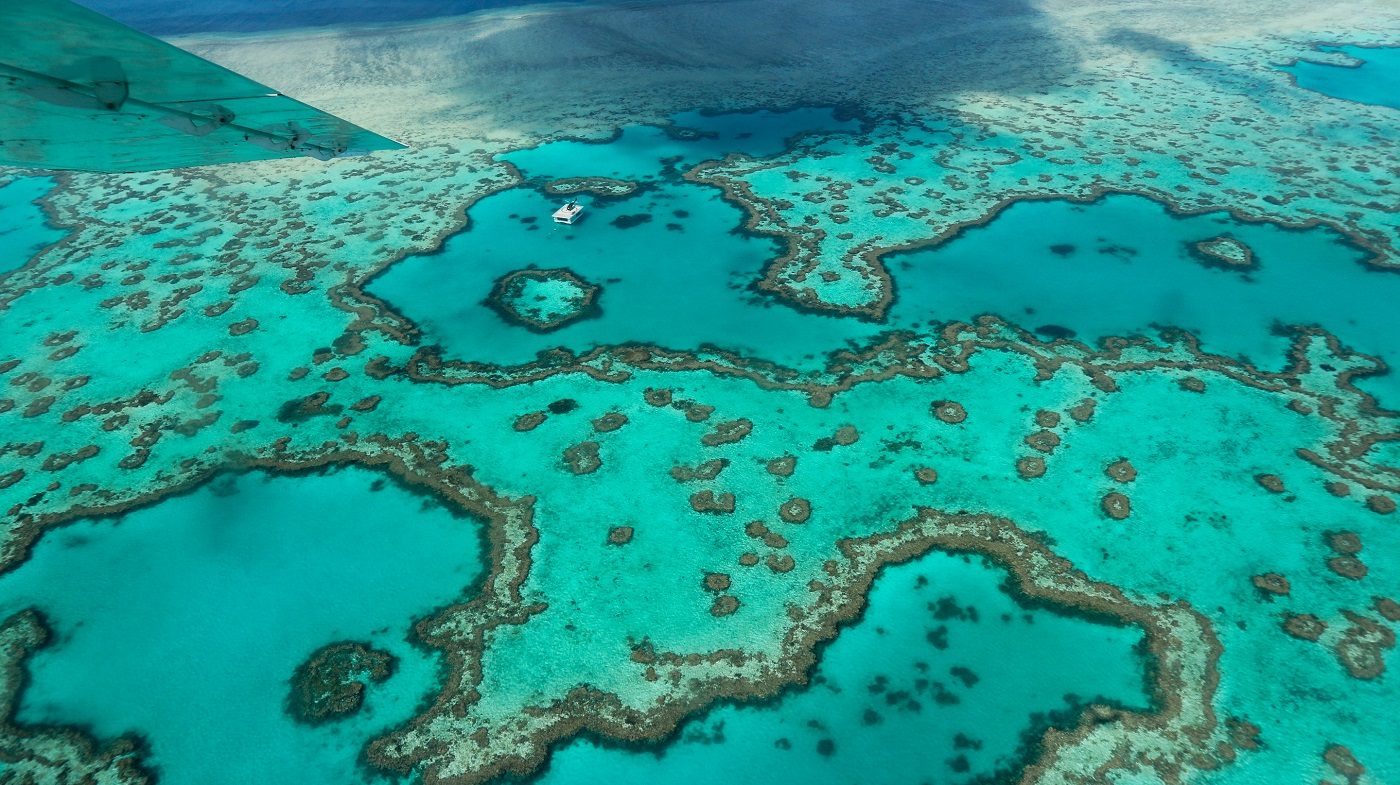
The pilot banks over Green Island or Hardy Reef, and you peer down at pontoons, moored catamarans, and snorkelers drifting above coral gardens the size of city blocks. If your route includes Heart Reef, the aircraft drops to 500 feet for a single low pass; the coral heart lies perfectly framed within its lagoon, a natural formation no larger than a tennis court. You photograph it through the window, then climb back to cruising altitude as the outer ribbon reefs scroll beneath — long coral walls separating the reef from open ocean.
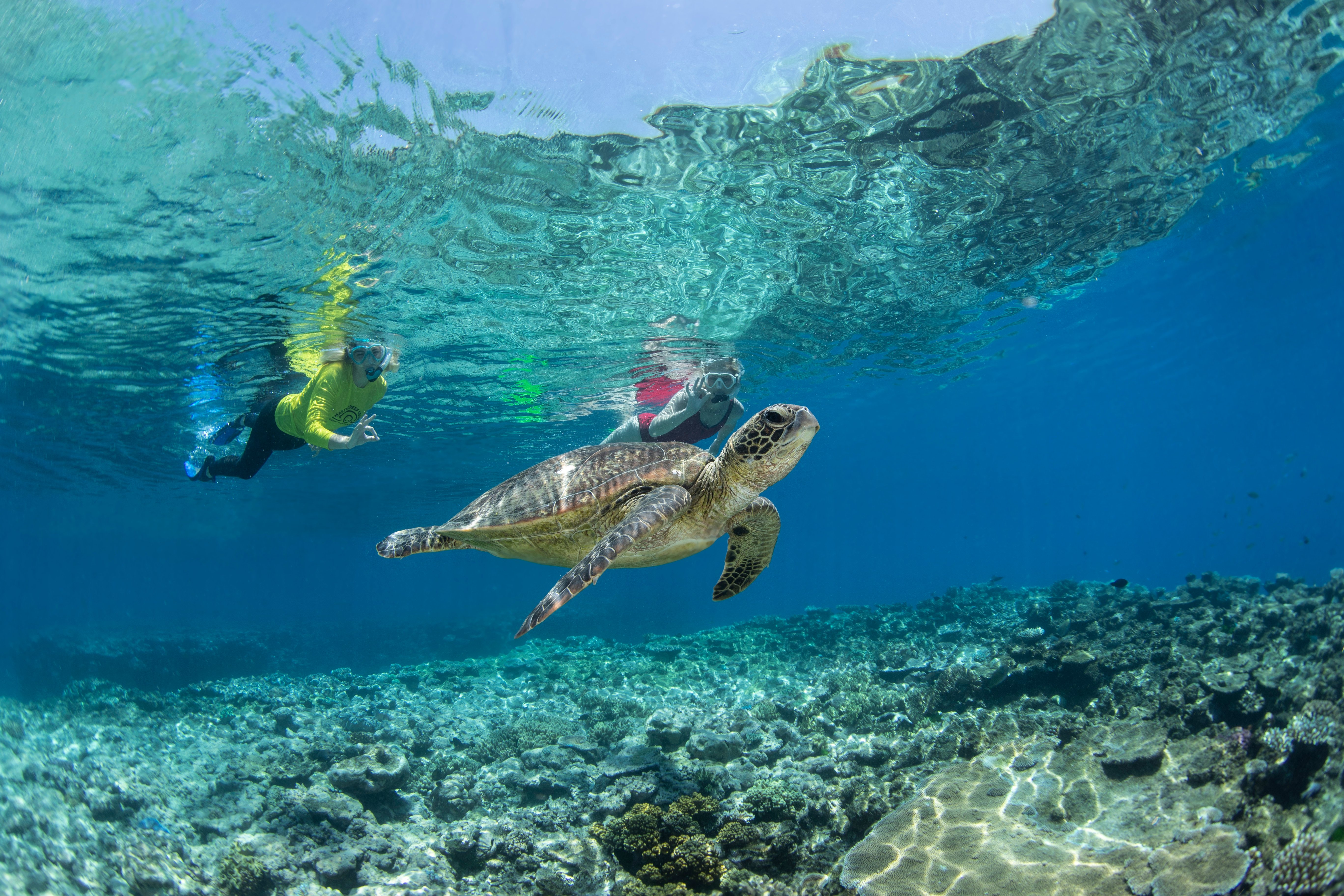
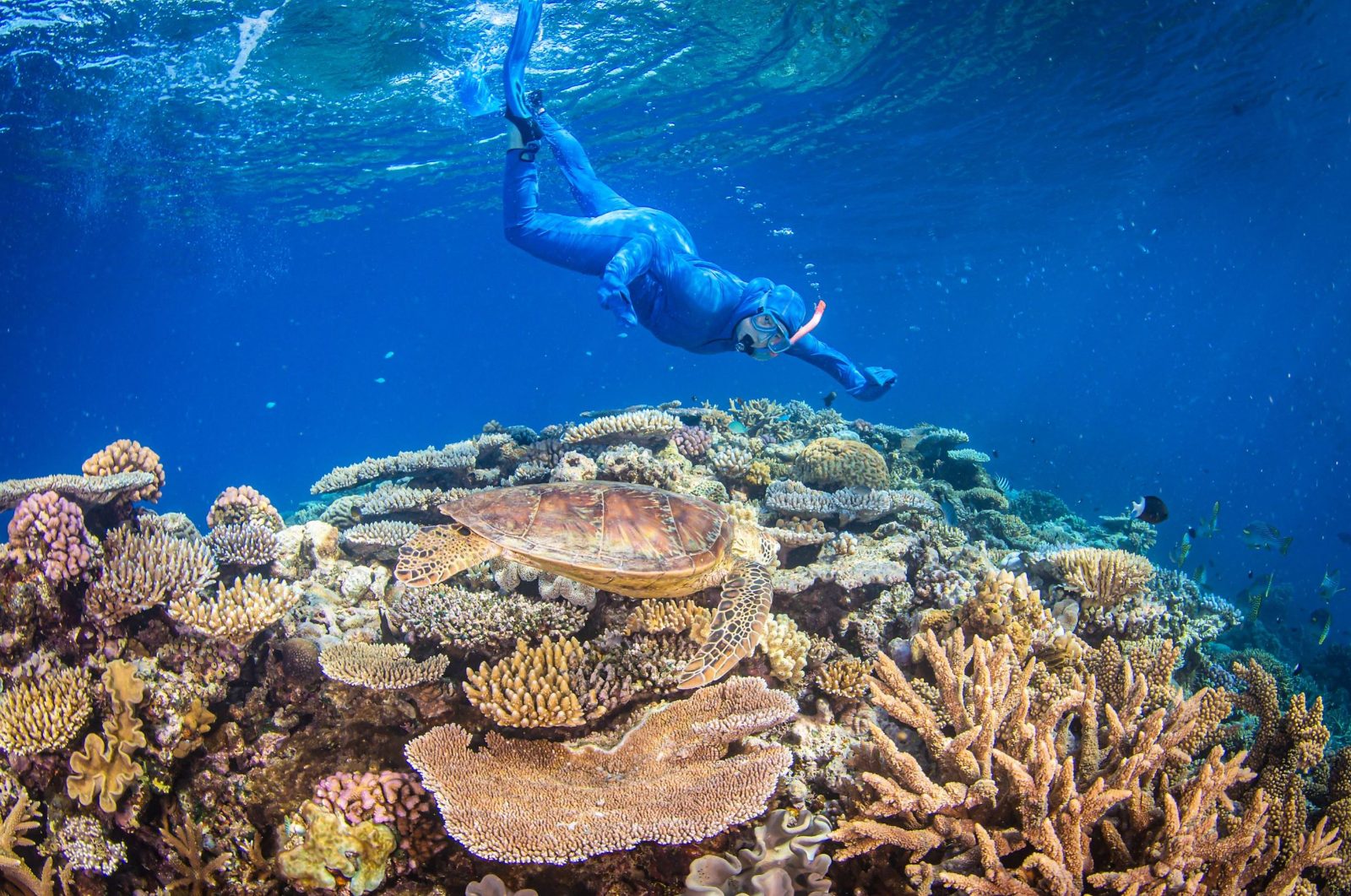
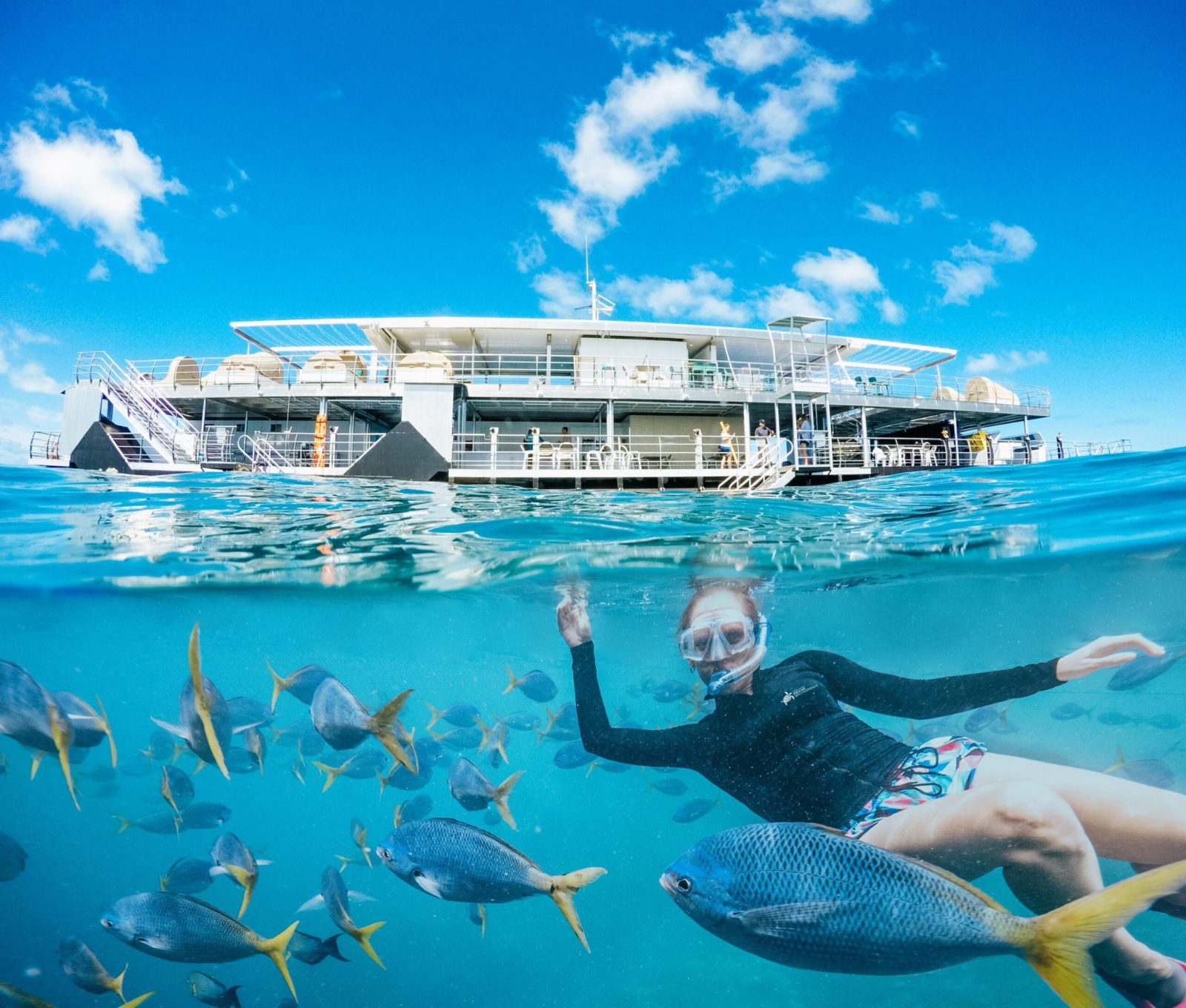
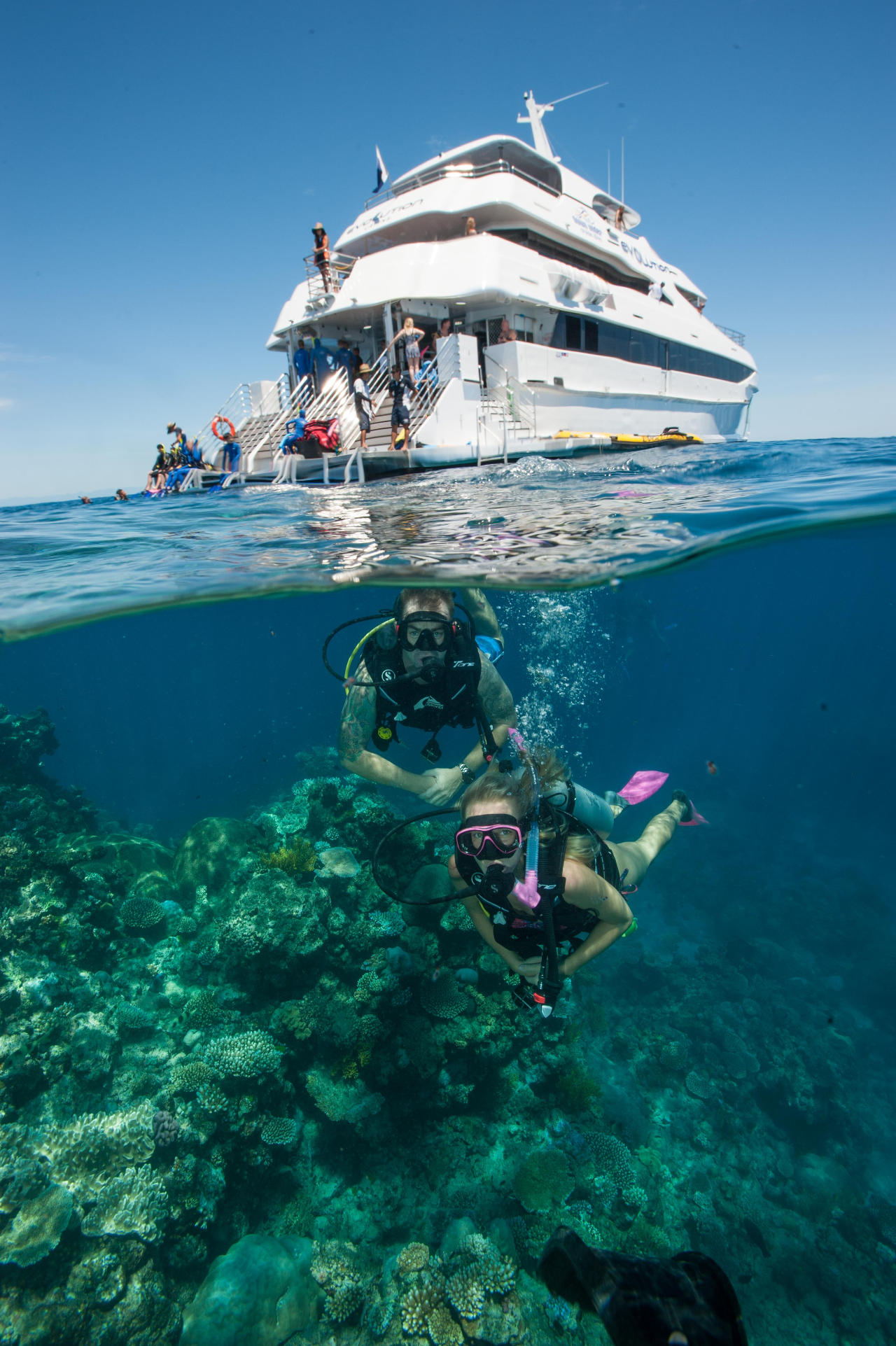
After 35 to 50 minutes aloft, the aircraft descends toward a pontoon platform or reef cay. You step onto a floating deck, collect mask, snorkel, fins, and a wetsuit if needed. A marine guide briefs you on current direction, coral touch protocols, and species to watch for. You slide into 26-degree water and drift over staghorn thickets, brain corals, and Moorish idols. Visibility stretches 20 metres on clear days. Parrotfish scrape algae from coral heads; a green turtle surfaces for air ten metres ahead. You spend an hour in the water, return to the pontoon for fruit and tea, then reboard for the flight home, the reef's scale now anchored by the time you spent within it.
All the details about your upcoming adventure in one place
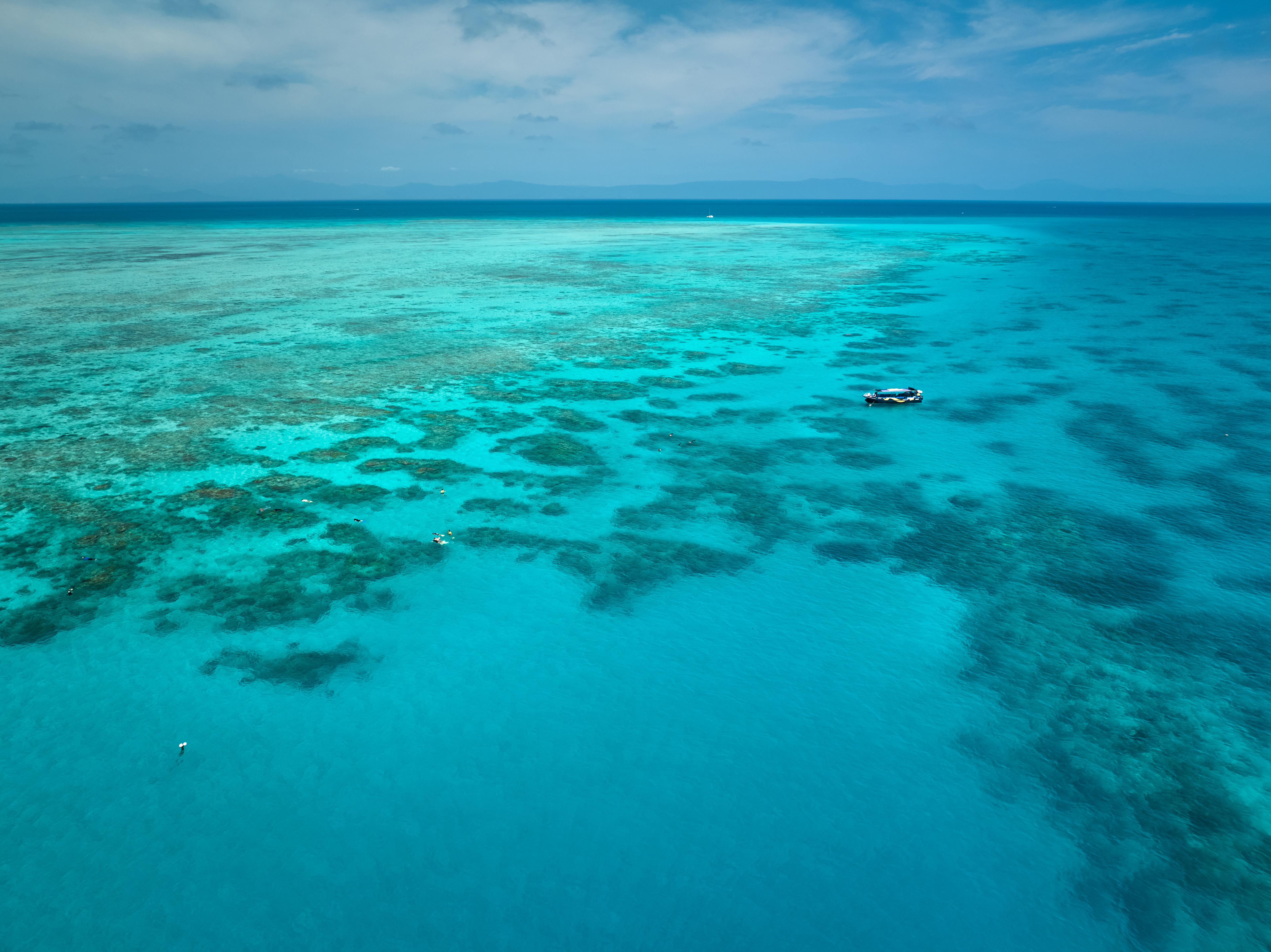
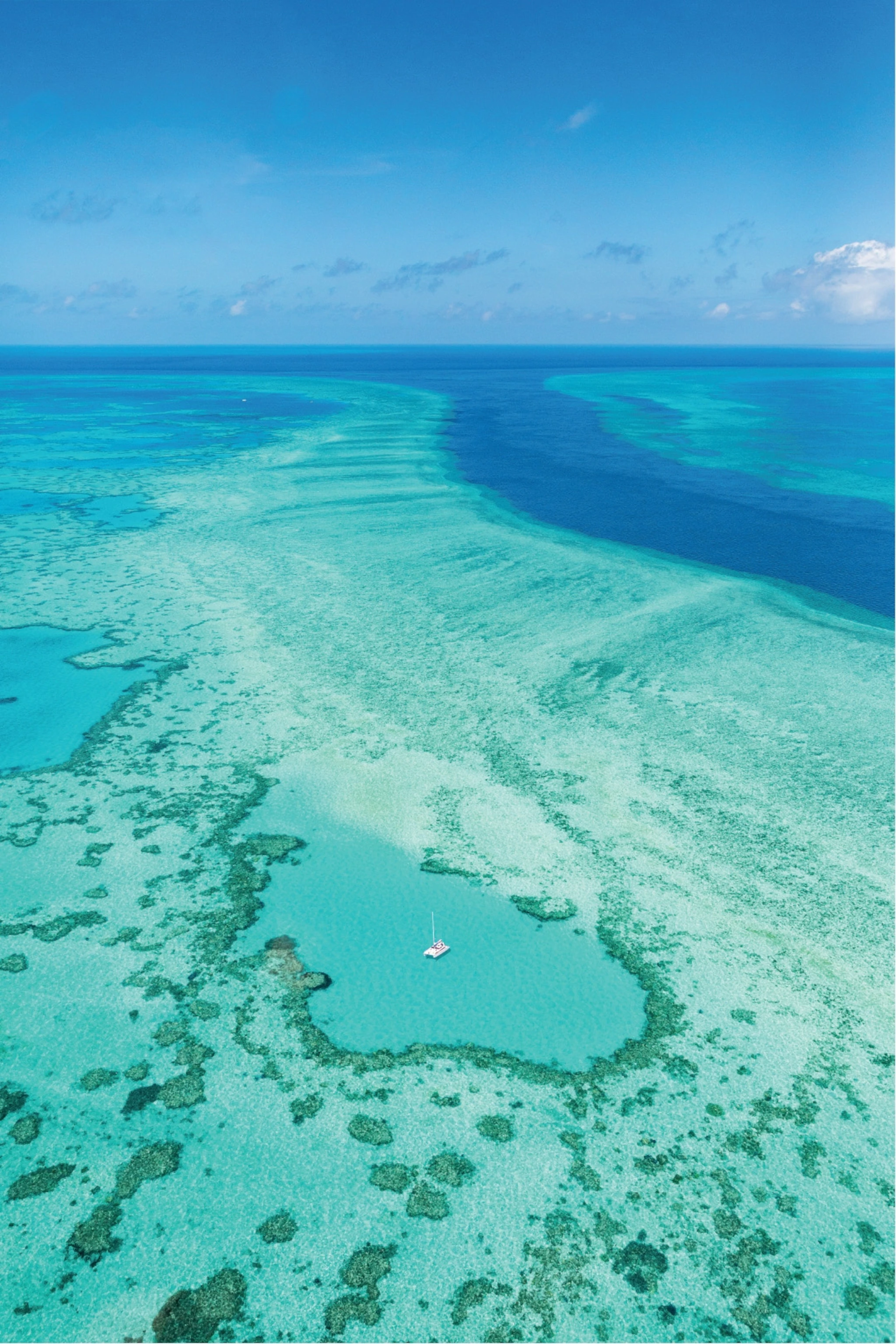
The Great Barrier Reef spans 2,300 kilometres of Queensland coastline, covering 344,400 square kilometres of marine park — an expanse larger than the United Kingdom. From the air, the reef resolves into a mosaic of coral ribbons, turquoise lagoons, and cobalt channels that shift colour with depth and sunlight.
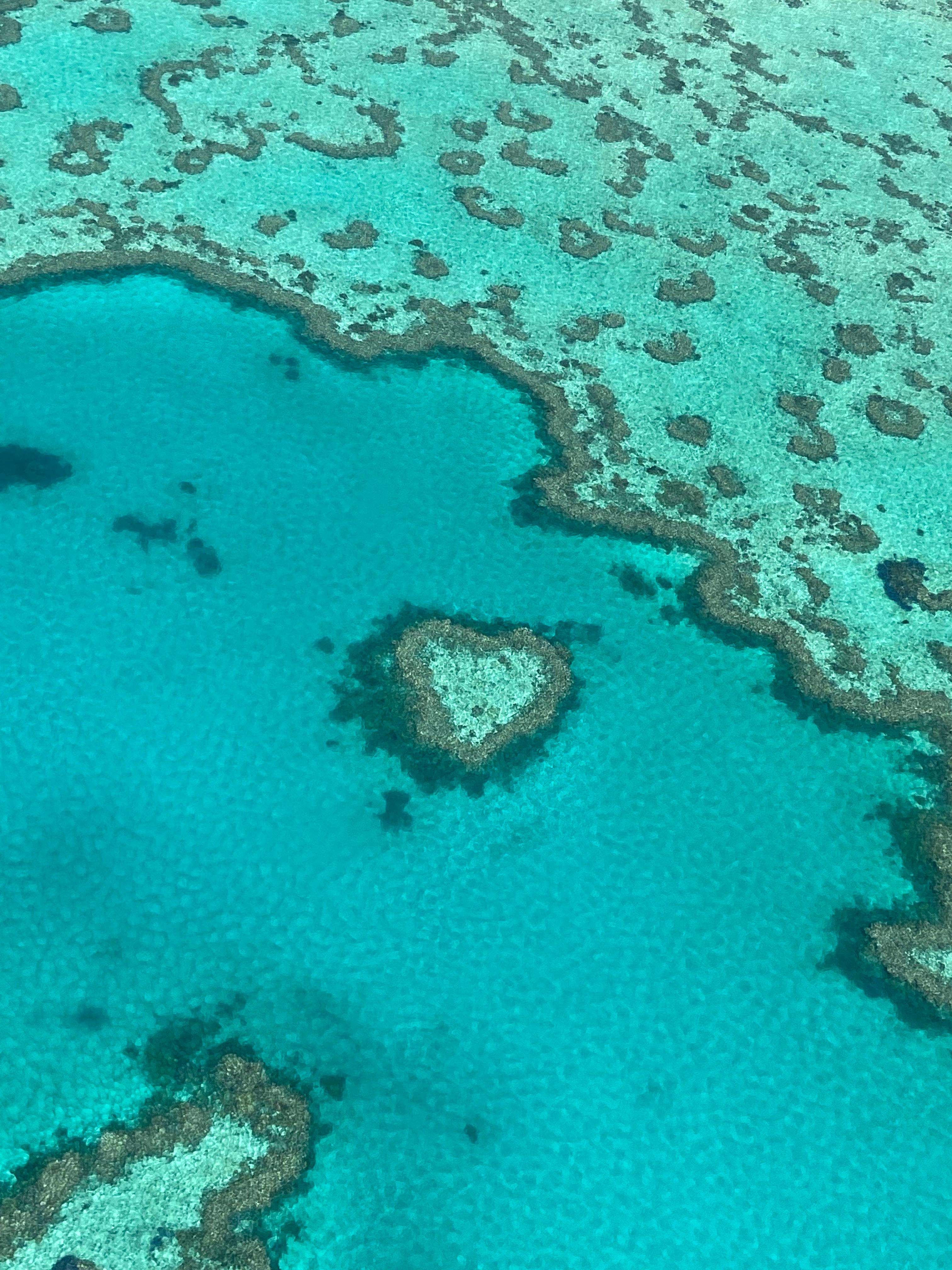
Heart Reef, a naturally formed coral heart in Hardy Reef, remains one of the few reef formations recognisable from altitude, protected within a no-anchoring zone since 1992. The reef structure comprises over 2,900 individual reefs and 900 islands, built by billions of coral polyps over millennia. Its northern and central sections sustain the highest coral cover, while the outer ribbon reefs — the easternmost edge before the Coral Sea drops into abyssal plain — host pelagic species and vertical wall dives.
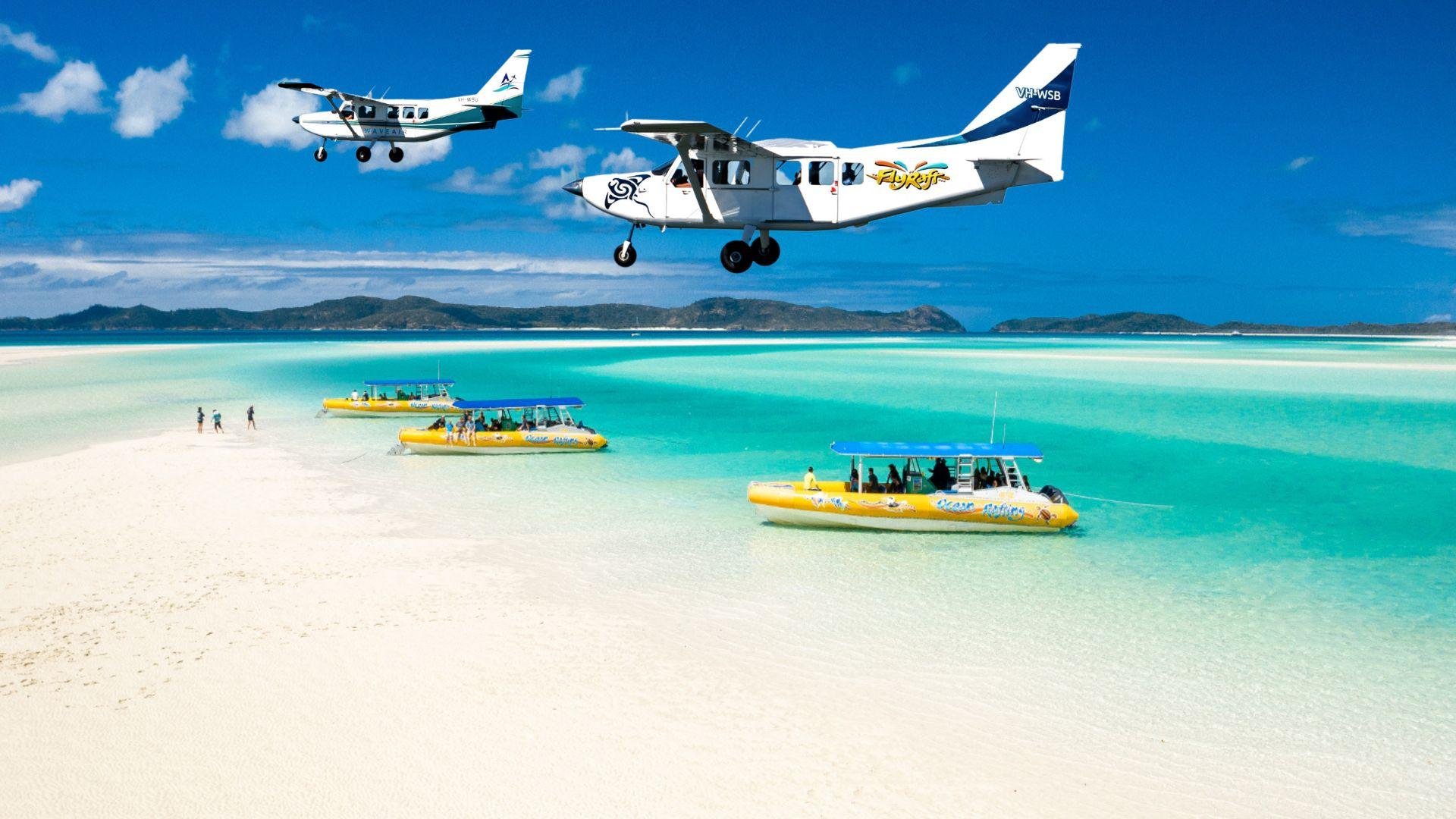
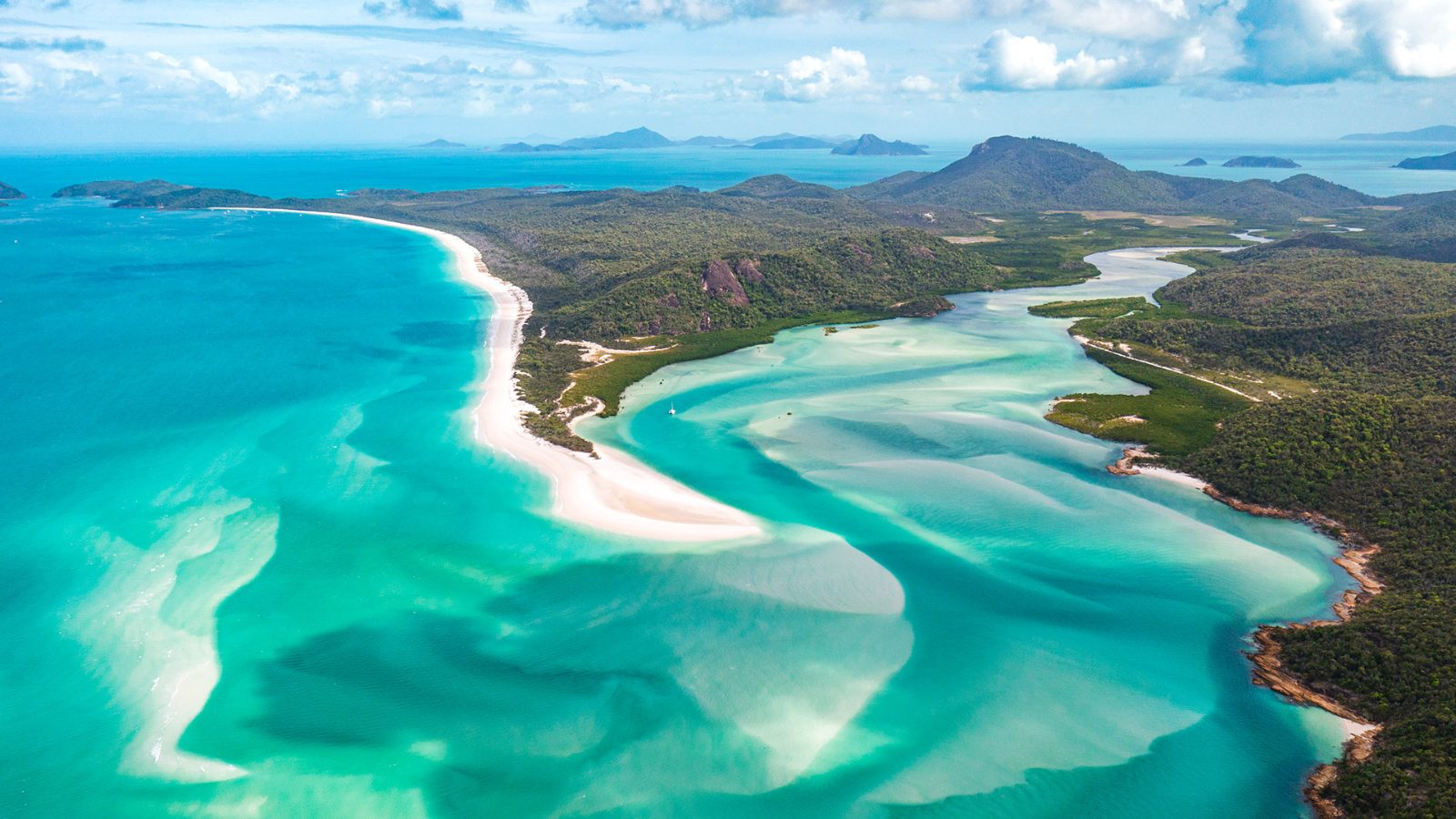
Commercial reef access expanded in the 1980s when pontoons and moored platforms enabled day-trip snorkeling from Cairns and Port Douglas. Scenic flights followed, shortening transit times and offering perspective impossible from sea level. Today, fixed-wing and helicopter operators depart from Cairns, the Whitsunday Coast Airport near Airlie Beach, and Hamilton Island, each route targeting different reef systems. Cairns flights typically overfly Green Island, Michaelmas Cay, and the outer ribbon reefs before returning via the Atherton fringing reefs. Whitsundays circuits prioritise Hill Inlet's tidal sand swirls, Whitehaven Beach's silica stretch, and Heart Reef's protected formation. Some itineraries combine aerial and water access: a 40-minute flyover followed by a helicopter or seaplane landing on a pontoon or reef cay, where snorkel equipment and marine biologist briefings await.
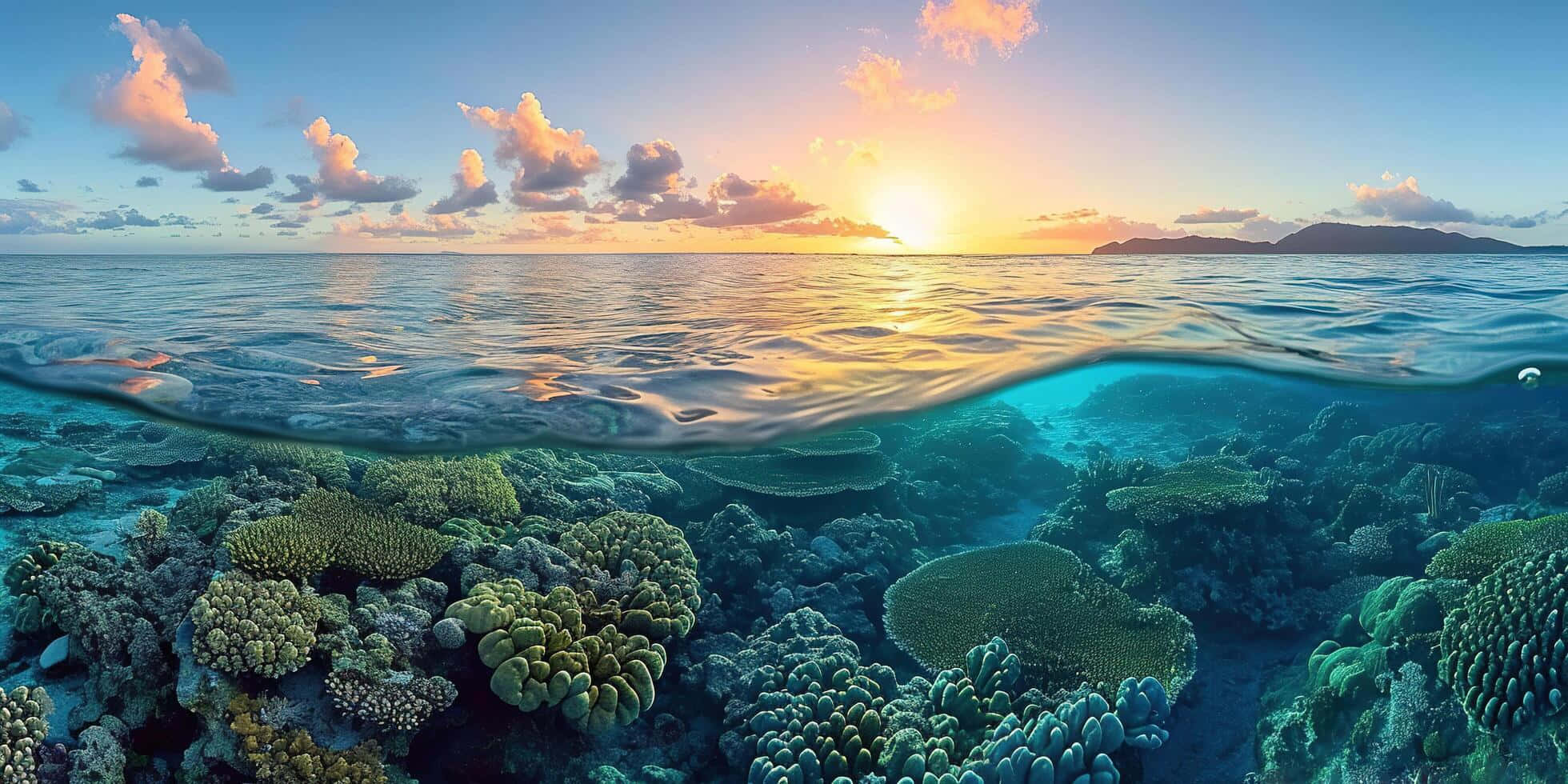
The reef's clarity peaks during the Australian winter dry season — May through October — when southeast trade winds ease and visibility extends beyond 30 metres. Coral spawning occurs annually in late November, a synchronised event triggered by lunar cycles and water temperature. The Great Barrier Reef Marine Park Authority enforces zoning that designates green zones (no-take), yellow zones (limited fishing), and blue zones (general use), with all commercial tourism operators required to hold permits and adhere to mooring, waste, and wildlife interaction protocols. Reef health monitoring intensified after successive bleaching events in 2016, 2017, 2020, and 2022, with restoration projects now active on degraded sections near Cairns and the Whitsundays. Scenic flight and snorkel combinations compress transit time while maximising reef exposure, granting visitors both the cartographic perspective of coral atolls and the tactile immersion of swimming above bommies, clownfish territories, and giant clam beds.

From altitude, the reef resolves into a mosaic of coral ribbons and turquoise lagoons that shift colour with depth and sunlight.
Wear comfortable swimwear and bring a change of clothes. Many operators provide stinger suits, which are recommended for protection.
Space is limited on vessels; bring only essential items in a soft-sided waterproof bag. Keep valuables secure or in provided lockers if available on your chosen platform.
Underwater cameras and GoPros are highly recommended for capturing the reef. Many operators offer rentals or sales for those who do not have their own equipment.
The Great Barrier Reef Marine Park is family-friendly, with many operators offering supervised activities and flotation aids for children. Check individual tour specifications for age-appropriate snorkel gear.
Access varies significantly by vessel and platform. Some operators provide custom hydraulic lifts to assist passengers with limited mobility into the water.
Most full-day tour packages include buffet lunch, morning tea, and afternoon refreshments. Drinking water is provided on board; stay hydrated throughout your adventure.
Opening hours
00:00–23:59 (Open daily)
Address
Great Barrier Reef Marine Park, Queensland, Australia
Accessibility
Varies by operator; some platforms feature water-powered lifts
Best arrival window
07:00–10:00 (Optimal lighting and calmer winds)
Storage
Limited; check with your specific tour operator
Policies vary by commercial operator; most require 24–48 hours notice for a full refund. The 0 AUD entrance fee covers park access, but commercial tour costs are non-refundable after the operator's cutoff window.
Recommended time
Full day
A comprehensive great barrier reef scenic flight and snorkel excursion typically requires a full day to accommodate travel to the outer reef and aerial sightseeing. While entrance to the Great Barrier Reef Marine Park is 0 AUD, you should allow extra time for boat transfers and gear fitting before your maritime adventure. Securing your great barrier reef scenic flight and snorkel tickets in advance ensures you can prioritize early departures when marine visibility is highest. Travelers choosing combined great barrier reef scenic flight and snorkel tours should expect transition times between the aircraft hangar and the jetty.
Crowd levels through the day
The Great Barrier Reef was born roughly 600,000 years ago, though the living structure visitors encounter today began forming only 8,000 years ago when sea levels stabilized after the last ice age. Indigenous Australian peoples, including the Bindal and Wulgurukaba nations, navigated these waters for at least 60,000 years, harvesting dugong and fish among the coral gardens. European awareness arrived in 1770 when Captain James Cook's HMS Endeavour struck the reef near present-day Cooktown, forcing seven weeks of repairs and generating the first British charts of the labyrinth. Commercial tourism emerged slowly. The first reef tours from Cairns began in the 1950s using converted fishing boats, but the great barrier reef scenic flight and snorkel combination did not crystallize until the 1980s when operators paired Cessna overflights with motorized catamarans. The 1975 establishment of the Great Barrier Reef Marine Park Authority marked a turning point, zoning 344,400 square kilometers into protected areas and setting permit requirements that shaped modern tour operations. By 1981, UNESCO inscribed the reef as a World Heritage Site, accelerating international visitor numbers from 250,000 annually to over two million by the early 2000s. The reef faced its gravest threat in recent decades through coral bleaching. Mass bleaching events in 1998, 2016, 2017, and 2020 killed large sections of shallow coral, triggering stricter mooring regulations and revised snorkel site rotations. Today, great barrier reef scenic flight and snorkel tours operate under Marine Park permits that limit vessel numbers at each pontoon and mandate reef-safe sunscreen. The combination of aerial surveys and underwater observation now serves dual purposes: tourism and citizen-science monitoring of coral recovery across designated zones.
Reef formation begins during Pleistocene glacial cycles.
Indigenous Australians establish seasonal fishing camps on reef islands.
Cook's Endeavour runs aground; first European mapping begins.
Great Barrier Reef Marine Park Authority established by federal act.
UNESCO inscribes reef as World Heritage Site.
Scenic flight and snorkel packages become standard tour format.
Four mass bleaching events prompt stricter tourism zoning.
Operators integrate coral monitoring into commercial snorkel trips.
Position your camera to capture the iconic heart-shaped coral formation from the window of your aircraft. This is the most recognized perspective during a great barrier reef scenic flight and snorkel.
Stand on the edge of the floating pontoon to capture the vibrant marine life and turquoise water clarity before entering the ocean. These platforms provide stable ground for great barrier reef scenic flight and snorkel tours featuring coral gardens.
Shoot from the elevated vantage point to capture the swirling silica sands meeting the contrast of the deep blue sea. This location is often included in a great barrier reef scenic flight and snorkel tour itinerary for its unique topography.
Focus your lens on the distinct patterns of the coral lagoon as the plane banks for a low-altitude pass. Secure your great barrier reef scenic flight and snorkel tickets in advance to ensure a window seat for these sightings.
Planning a great barrier reef scenic flight and snorkel requires careful coordination of marine conditions and travel times for younger explorers. Preparing for these coastal adventures ensures your group stays comfortable while viewing this UNESCO world heritage site.
Small aircraft for a great barrier reef scenic flight and snorkel tour often have weight and seat requirements, so confirm minimum age policies with operators before booking.
Rental centers provide various mask and fin sizes, though families often find bringing personal child-sized snorkel gear improves comfort in the water.
The Great Barrier Reef Marine Park, Queensland, Australia, is a natural environment; note that infant changing stations are typically limited to larger transport vessels or island terminals.
Aim to visit during the 07:00–10:00 window to secure the calmest water conditions, which helps minimize motion sickness for children during boat transfers.
Ensure you secure your great barrier reef scenic flight and snorkel tickets in advance, as these combined excursions fill rapidly during peak season.
Protect young skin by packing high-SPF reef-safe sunscreen, as tropical rays are intense even on overcast days before boarding your great barrier reef scenic flight and snorkel tours.
Travelers preparing for a great barrier reef scenic flight and snorkel near the Cairns Marlin Marina have access to diverse waterfront dining options. Most visitors choose to grab a quick bite at the terminal boardwalk or enjoy a relaxed post-tour meal overlooking Trinity Inlet.
Casual spot perfect for pre-tour coffee, sandwiches, and grab-and-go muffins before your great barrier reef scenic flight and snorkel tour.
Refined dining featuring local bush tucker, fresh seafood, and Tablelands beef, ideal for celebrating after your great barrier reef scenic flight and snorkel tickets are used.
Popular, no-frills trawler-style casual seafood dining at the marina, a favorite for a relaxed finish to a great barrier reef scenic flight and snorkel.
Everything you need to know for your journey
Yes, the marine park is open 00:00–23:59 daily, though commercial operators run tours on their own schedules.
The best arrival window for a great barrier reef scenic flight and snorkel is 07:00–10:00 for optimal lighting and calm winds.
Entry to the park is 0 AUD; however, commercial tours for a great barrier reef scenic flight and snorkel require payment of tour fees.
Yes, these tours are well-suited for families with many operators providing kid-sized snorkel gear and flotation devices.
Most tours depart from major hubs like the Cairns Reef Fleet Terminal or Port Douglas marinas.
Bring swimwear, a towel, reef-safe sunscreen, and a camera for your great barrier reef scenic flight and snorkel.
Accessibility for a great barrier reef scenic flight and snorkel varies by vessel, with some offering hydraulic lifts for water entry.
Cancellation policies for great barrier reef scenic flight and snorkel tickets are set by the individual tour operator, typically requiring 24–48 hours notice.
Yes, photography is highly encouraged during your great barrier reef scenic flight and snorkel tour to document the marine life.
Join thousands of happy travelers who have discovered this incredible experience
Book Your Experience Now